Beyond process: A framework for elevating product quality

Leo Nathorst-Böös
Head of product at Framna Sweden

Too many organizations get stuck in process. They focus on efficiency, delivery speed, or agile rituals, while the most important question gets overlooked: is the product truly great?
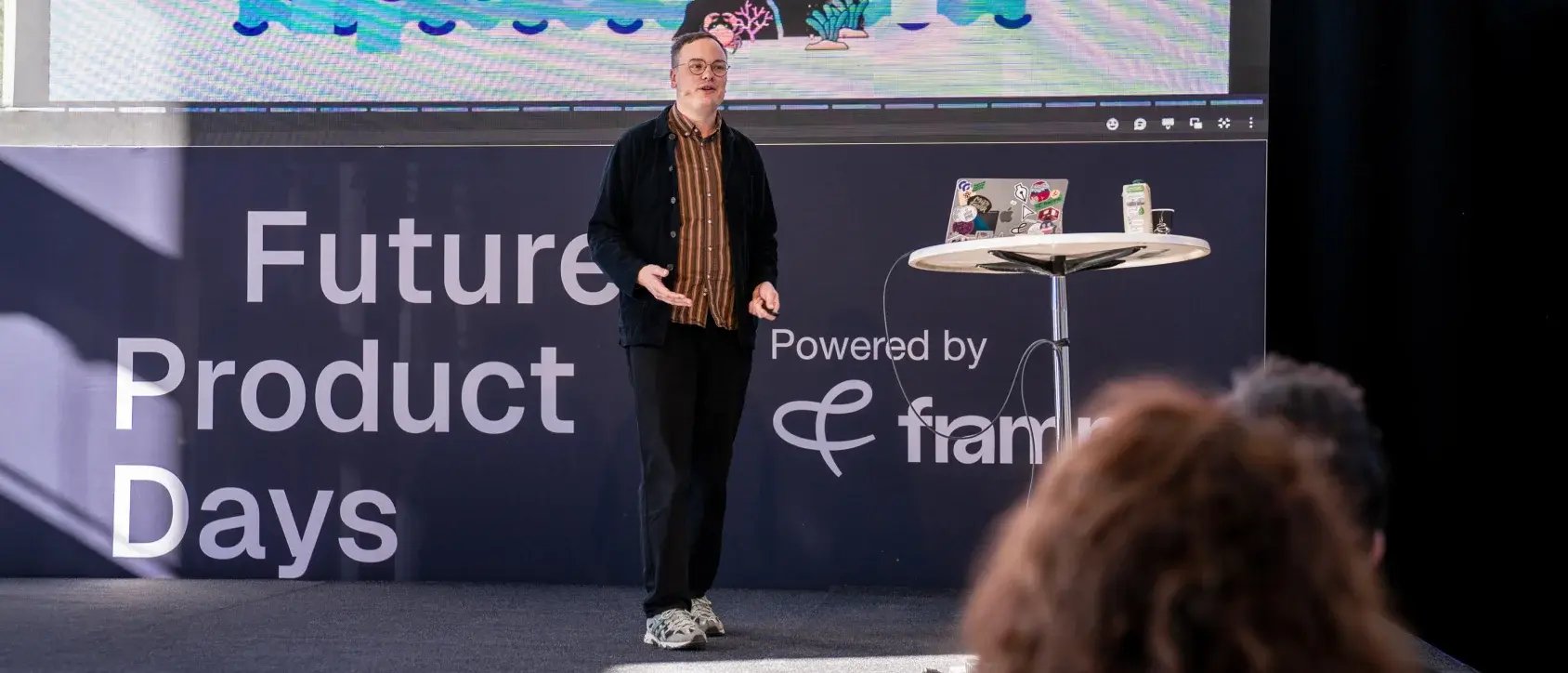
At Future Product Days in Copenhagen I presented the Product Quality Framework, a framework we created at Framna to help teams expose the gaps that hold them back from becoming product-led. It provides structure for conversations about what really matters: understanding users, aligning with business outcomes, and building products that set new standards of quality.
Key takeaways
Most organizations focus on process efficiency but overlook the real question: is the product truly great?
Product quality depends on shared understanding, empowered teams, and clear alignment with business outcomes.
Framna’s Product Quality Framework helps teams uncover blind spots, strengthen collaboration, and raise the standard of their products.
When teams focus on quality rather than process, they build products that deliver lasting impact for both users and the business.
Elevating product quality is how forward-thinking organizations Win by product.
The missing meeting: why retrospectives are not enough
Retrospectives are often called the most important meeting in the calendar. They are valuable for reflecting on how we work and identifying improvements. But they typically focus on process efficiency. Teams discuss inaccurate estimates, shifting stakeholder requirements, or standups that take too long.
What is often missing is a recurring conversation dedicated to the product itself:
Are we doing exceptional work?
Do we fully understand our users, and how our product contributes to business success?
Are we empowered to solve the most critical problems for users and the business?
Not enough teams have these conversations, yet they are essential for building products that truly make a difference, for users and the business.
From feature delivery to product centricity
The app industry is extremely competitive, with significant rewards for top performers. The gap in value, both financially and in market visibility, between an average app and a leading one is considerable.
Developing high-quality products involves more than just functionality and aesthetics. It's about creating solutions that deeply resonate with people and effectively solve their key problems, outclassing and outpacing competitors. The primary challenge in product development lies in identifying and building the right things. While building things correctly is relatively straightforward, building the right things is what truly differentiates successful products from unsuccessful ones.
To build exceptional products, we must shift our focus. The goal is not to become a highly efficient feature delivery machine. The goal is to become a product organization that aligns with business goals and user needs to create real impact.
This mindset is central to what many call the Product Operating Model. It is not a rigid process but a set of principles adopted by leading technology companies.
The product-centric approach rests on four pillars:
High strategic focus:
A shared product vision and an outcome-based strategy that aligns everyone
Strong product ownership:
Clear accountability for product outcomes, not only feature delivery
Empowered teams:
Teams trusted to solve problems, not just ship features
Faster learning, smarter delivery:
Short feedback loops fueled by continuous discovery and delivery
Adopting this approach requires courage. Stakeholders must move from prescribing features to describing desired outcomes and providing context. Organizations must change incentives so it becomes harder to work in the old way and easier to be product-centric. Teams need to be made accountable for the results they achieve, rather than shipping on time and according to specification.
To explore how leading teams put these principles into practice, watch our on-demand session Product Operating Model with Figma: framna.com/on-demand/product-operating-model-with-figma.
Finding the black spots: the product quality framework
To support these conversations at Framna, we created the Product Quality Framework and Workshop. It is designed to occasionally replace a retrospective and give the whole team—engineers, designers, analysts, product managers, and sometimes stakeholders—a chance to step back and evaluate product quality and enablers for quality.
The workshop has three goals:
Spread knowledge about our product principles and what outstanding quality means
Give teams a structured way to discuss strengths and areas of improvement
Provide a foundation to identify organizational “black spots” that hinder product-centricity and quality across the company
Teams rate themselves on key dimensions:
Technical and Design Quality:
Are we building things that work well and are easy to maintain?
Delivery & Discovery:
Are we learning the right things from users and shipping updates early and effortlessly?
Goals & KPIs:
Are we fully understanding how our team contributes to the success of the business, steering our work with clear goals and measuring our progress towards them?
Innovation:
Are we pioneering new solutions or just building imitations?
Privacy & Security:
Are we meeting our requirements effectively?
The process is run through secret voting. Alignment in the green is cause for celebration, while red signals the need for action. But the most valuable insights come from disagreement, which often reveals differences in values or information gaps.
During a workshop the framework exposed a significant gap in how one team understood business objectives and KPIs. Team leaders had a clear view of how their work contributed to company goals and which metrics mattered most. Designers and developers, however, lacked this context, making decisions with limited insight.
By surfacing this disconnect, the team improved communication, built a shared understanding, and made more informed choices about where to focus their time and effort.
From these discussions, the team creates a concrete action plan to improve on their most significant problems and disagreements. Leaders play a critical role here by providing coaching and removing barriers that teams cannot solve on their own.
Unlocking company-wide improvement
Running this workshop delivers three outcomes:
Aligned values:
Clear, shared understanding of what product quality means
Team improvements:
Teams identify and own their path to progress
Organizational visibility:
Leadership gains insights into black spots where support, training, or resources are needed
If you want to elevate product quality, you must create the space for teams to talk about what truly matters. The Product Quality Framework is one way to enable those conversations and build a culture centered on the product.
Try it yourself
We believe this approach can benefit any product organization. We have made the workshop template available to everyone in the Figma Community. You are welcome to use it, adapt it, and make it your own.
Signing off
Future Product Days in Copenhagen was a powerful reminder of how much our community values conversations like these. On the conference floor, I met people wrestling with sales-driven pressures, promises made too early, and the challenges of leading with a powerful vision when building internal tools.
What stayed with me most was the energy: product people coming together, learning from each other, and pushing forward. I came home with new ideas, renewed motivation, and a clear sense that community is what keeps us all improving. I look forward to next year.
Subscribe
Join our newsletter and stay up-to-date