PLUS
A PLUS app shaped around how people shop
Sector
- Retail & E-commerce
Category
- E-commerce
- AI
- Accessibility
- Personalization
- Shopping & Planning
Deliverables
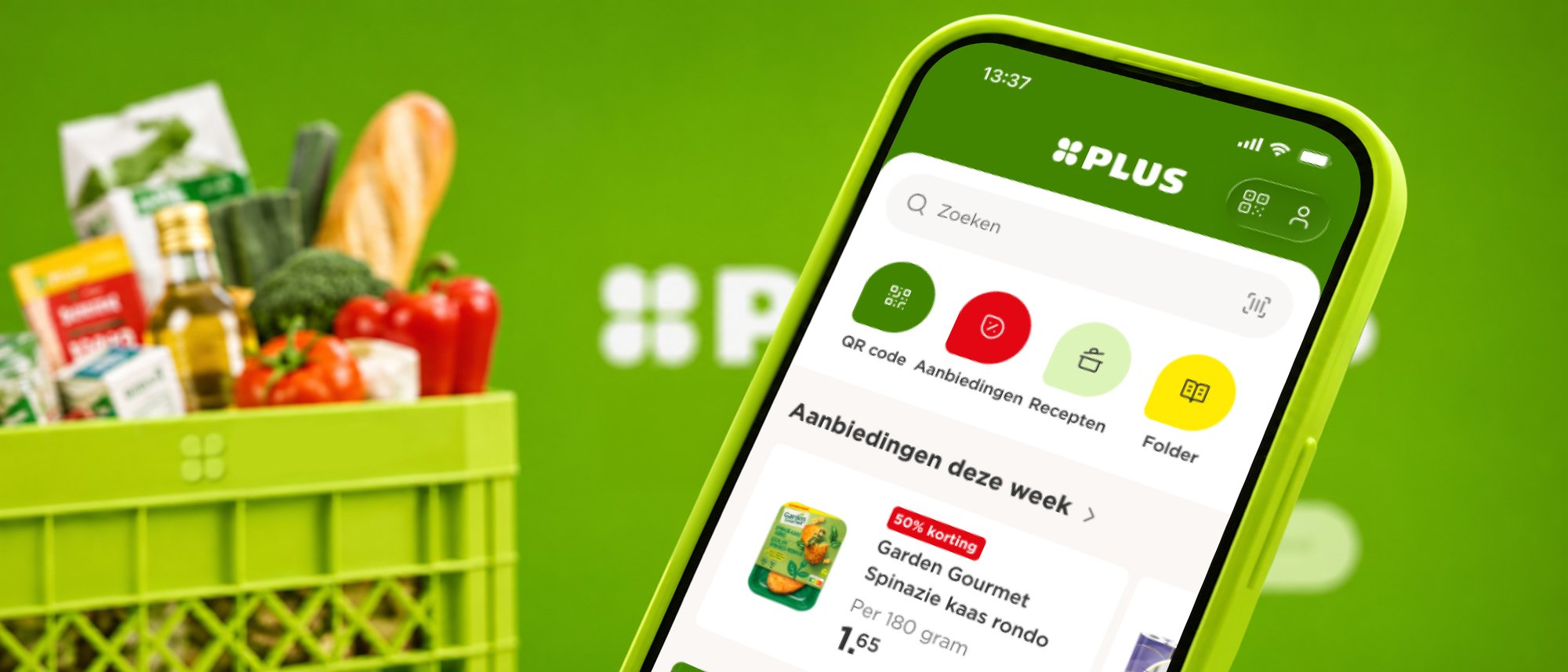
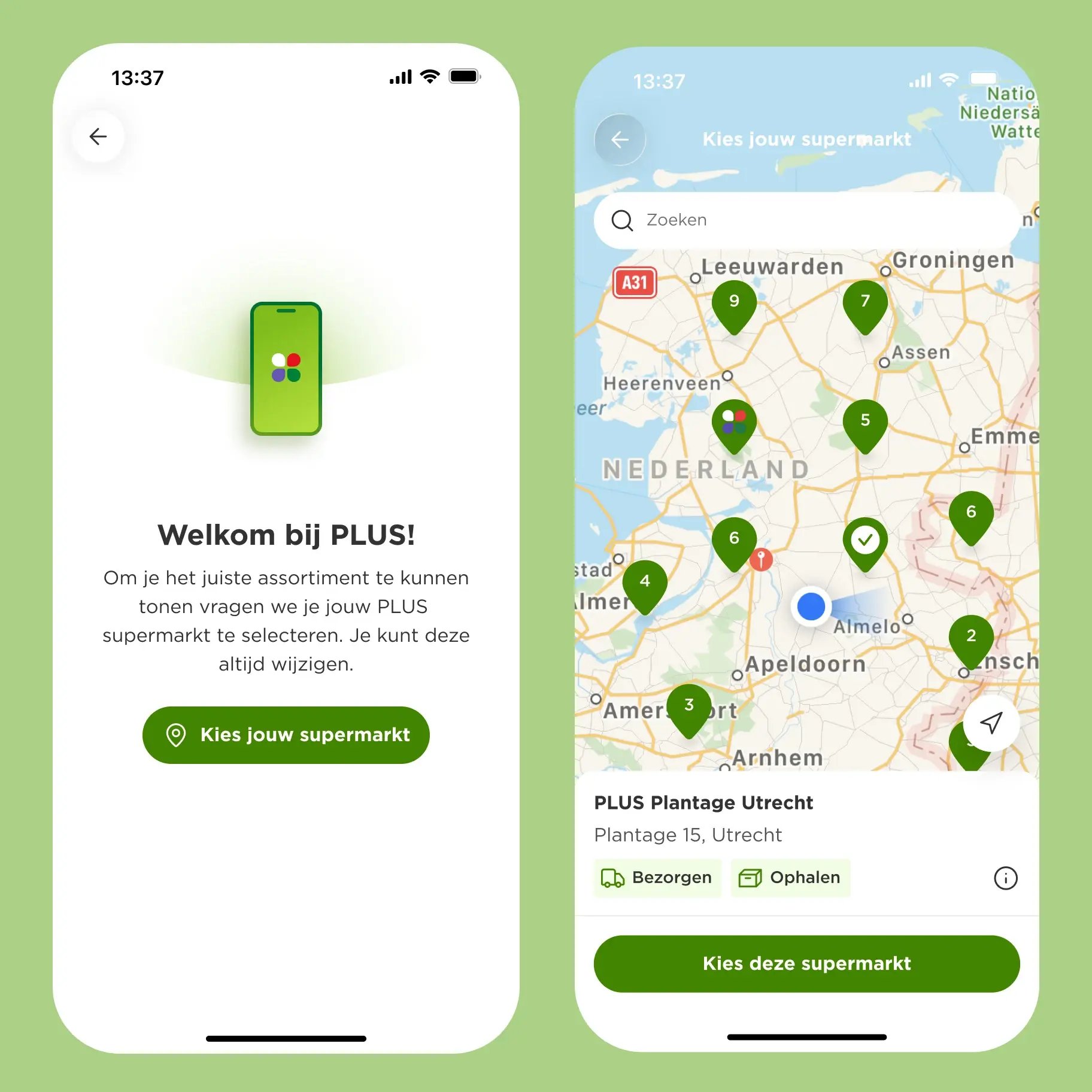
Choose your local PLUS store in the app to see its assortment, offers and weekly flyer.
Accessible foundations for personalized shopping
Customers use it to check offers, browse the weekly flyer, manage their groceries and place online orders. Supporting those activities means accounting for both the store they shop at and what they need from the app at a particular moment.
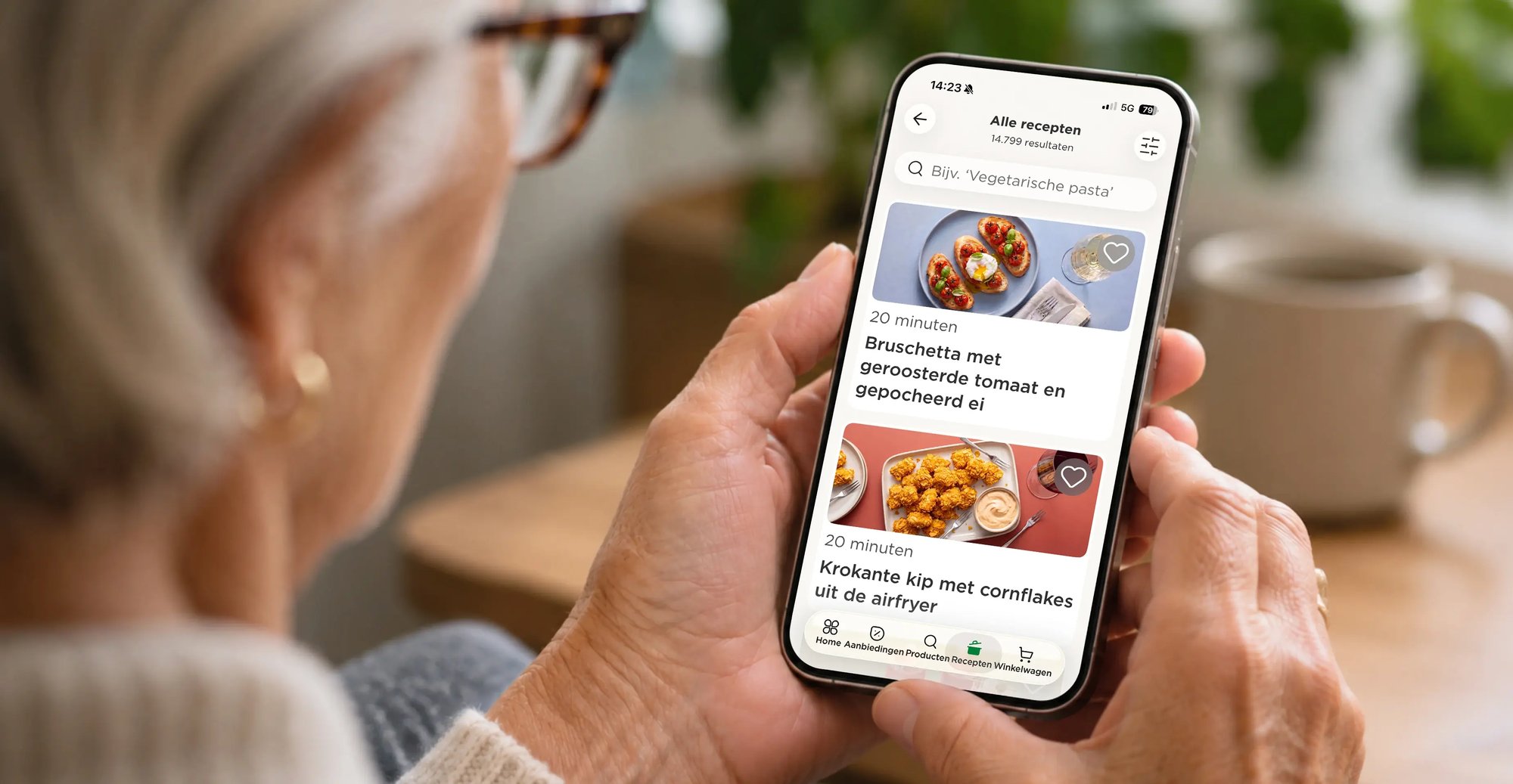
A native rebuild provided the foundation for that work. In 2025, the European Accessibility Act introduced new accessibility requirements for consumer-facing digital products, giving PLUS a clear deadline. The team rebuilt the app for iOS and Android, with accessibility built into the way each screen was designed and developed. At the same time, the team renewed the home screen, navigation and everyday performance.
Accessibility by default
Local and personal relevance
One cart across channels
Accessibility as part of the definition of done
Accessibility was not treated as a final audit before release. It became part of the definition of done for every screen in the renewed app.
Typography, layouts and navigation were designed to work across different accessibility needs. Screens adapt when users increase text size through Dynamic Type and support both portrait and landscape orientation.
The app also supports screen reader navigation. The entire app can be operated with a screen reader without relying on sight.
Building these requirements into the product process meant accessibility decisions were made alongside design and development rather than added afterwards. The renewed app subsequently passed its external accessibility audit. Accessibility remains embedded in the design and development process, so the same principles continue to guide new screens and features.
The local store shapes what shoppers see
A customer’s selected PLUS store determines the assortment, offers and weekly flyer shown in the app.
They choose their preferred store once, after which the experience adapts to what is available at that location. This brings the differences between local PLUS stores into the digital experience without asking customers to configure the app every time they shop.
One cart across online and in-store shopping
PLUS customers move between planning at home, ordering groceries online and shopping in-store. The app therefore has to support different moments within the same shopping journey.
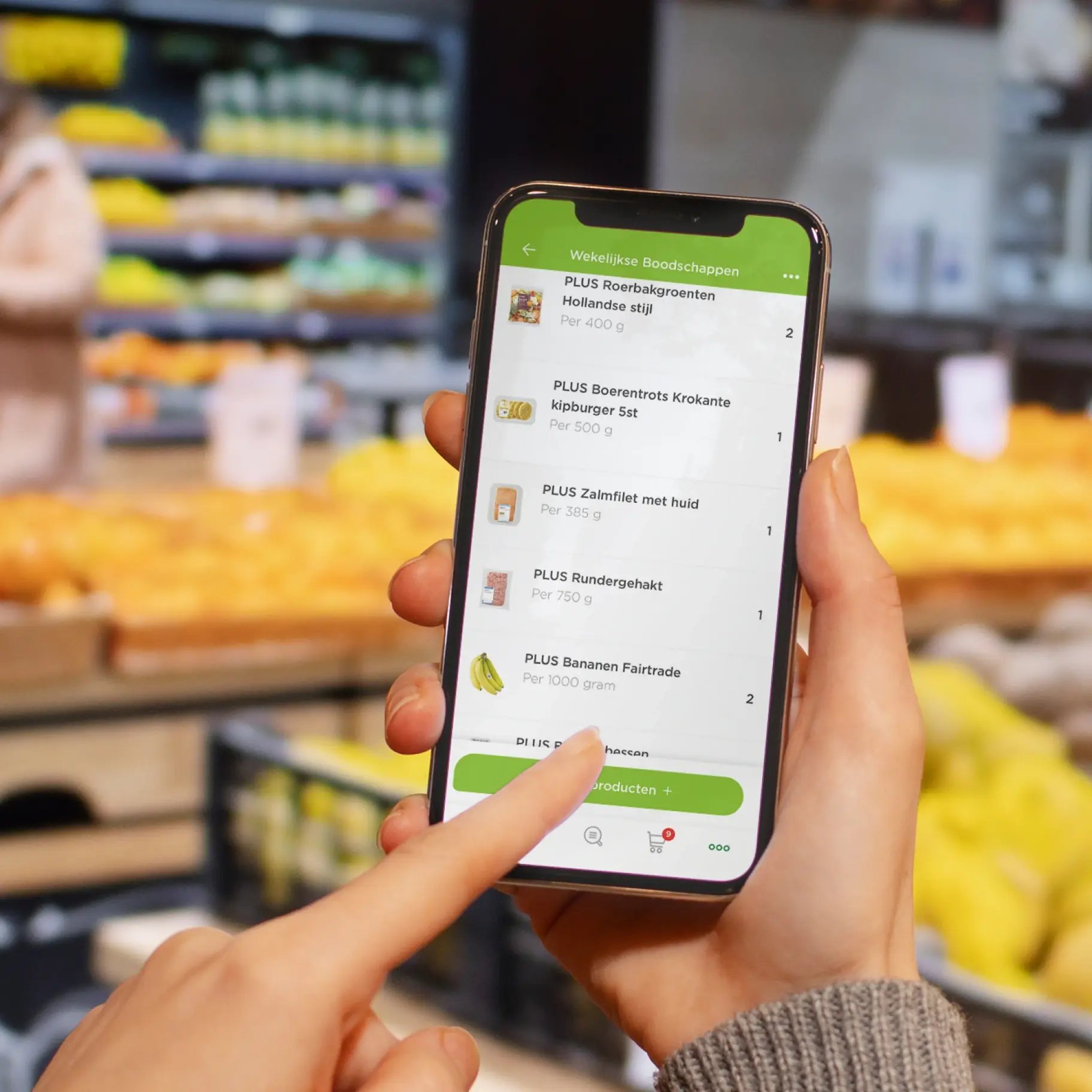
The shopping cart helps connect those moments. Customers can use it for an online order or switch it into a shopping list when they visit the store. They can add products from the PLUS assortment or type their own items, then check them off while shopping. The list follows the order of the selected store, helping customers move through the aisles more efficiently.
This makes the cart an omnichannel feature: one place for groceries that adapts to whether someone is shopping online or standing in the supermarket.
“A cart built for e-commerce only takes you so far in the store. The app needs to support what the shopper is doing at that moment: planning at home, checking off items in the aisle and finding them in the order of the store.”

Matthijs Klaver
Creative Director, Framna
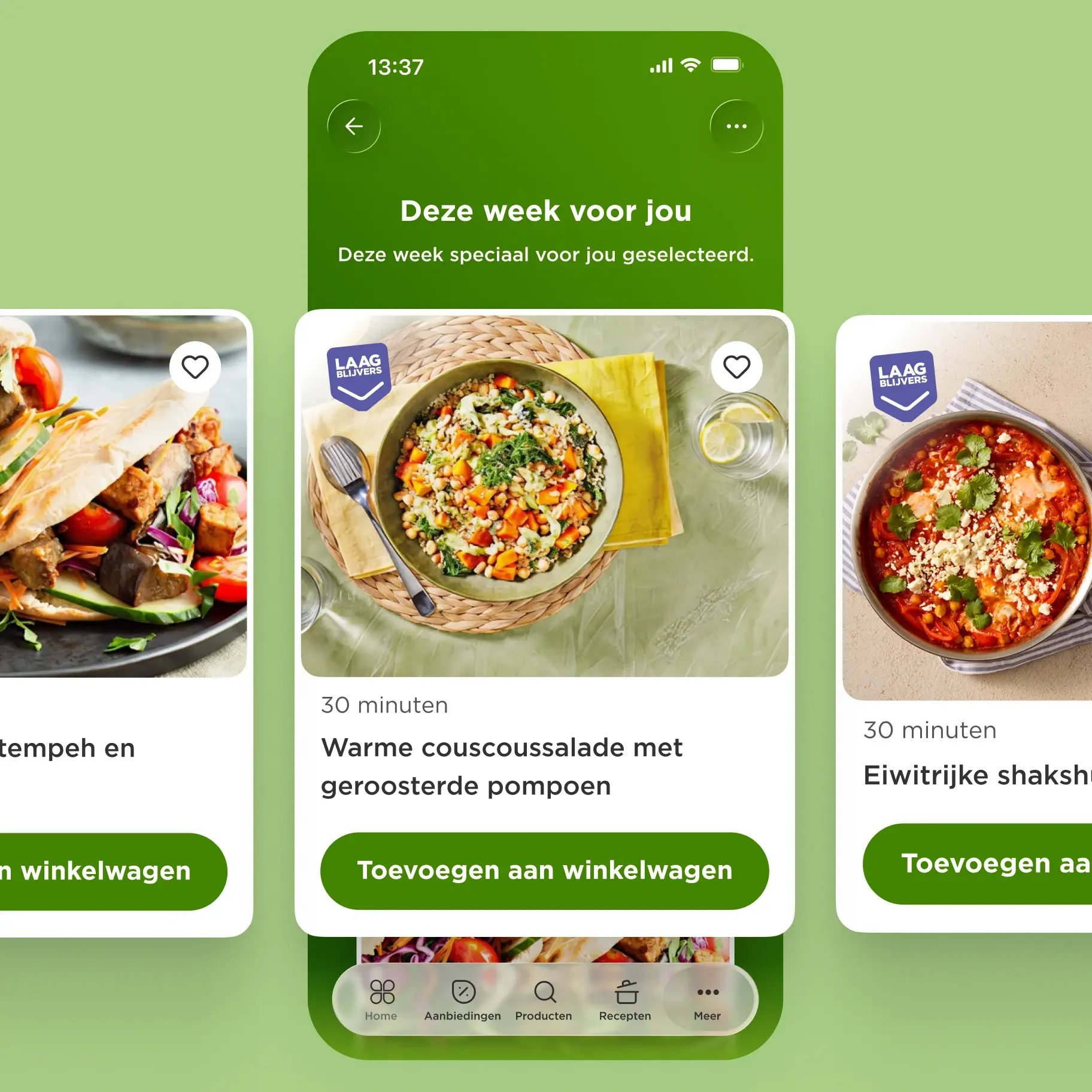
A weekly recipe overview based on a taste profile for a personalized recipe overview.
A weekly recipe overview shaped by personal taste
The renewed recipe experience gives users a way to bring their preferences into their weekly meal planning.
Users build a taste profile by selecting what they like, rating recipes and setting preferences such as vegetarian. The app uses those choices to create a personalized weekly recipe overview, helping them find inspiration that reflects their tastes.
A place to test new ideas before rolling them out
New concepts do not have to go directly from prototype to the full user base.
PLUS uses an experimental section within the app where customers can opt in to try new functionality. This gives the team a way to test concepts with users in the product itself before deciding whether to make them more widely available.
The cart-as-shopping-list feature followed this route.
A connected experience built around the weekly shop
The renewed PLUS app brings together activities that previously could have been treated as separate product moments: checking local offers, planning meals, ordering groceries and working through a list in-store.
The native foundation gives the team room to keep developing those experiences while accessibility remains part of how new functionality is designed and delivered.
Features such as the omnichannel cart, personalized recipes and the AI assistant each approach the shopping journey differently, but start from the same question: what does the customer need from the app at this moment?
440
PLUS stores
300
Local entrepreneurs
2
native apps, iOS and Android
Want to know more?
Talk to Matthijs Klaver, Creative Director at Framna Netherlands, about building accessible, native retail apps and AI features that live inside the product.