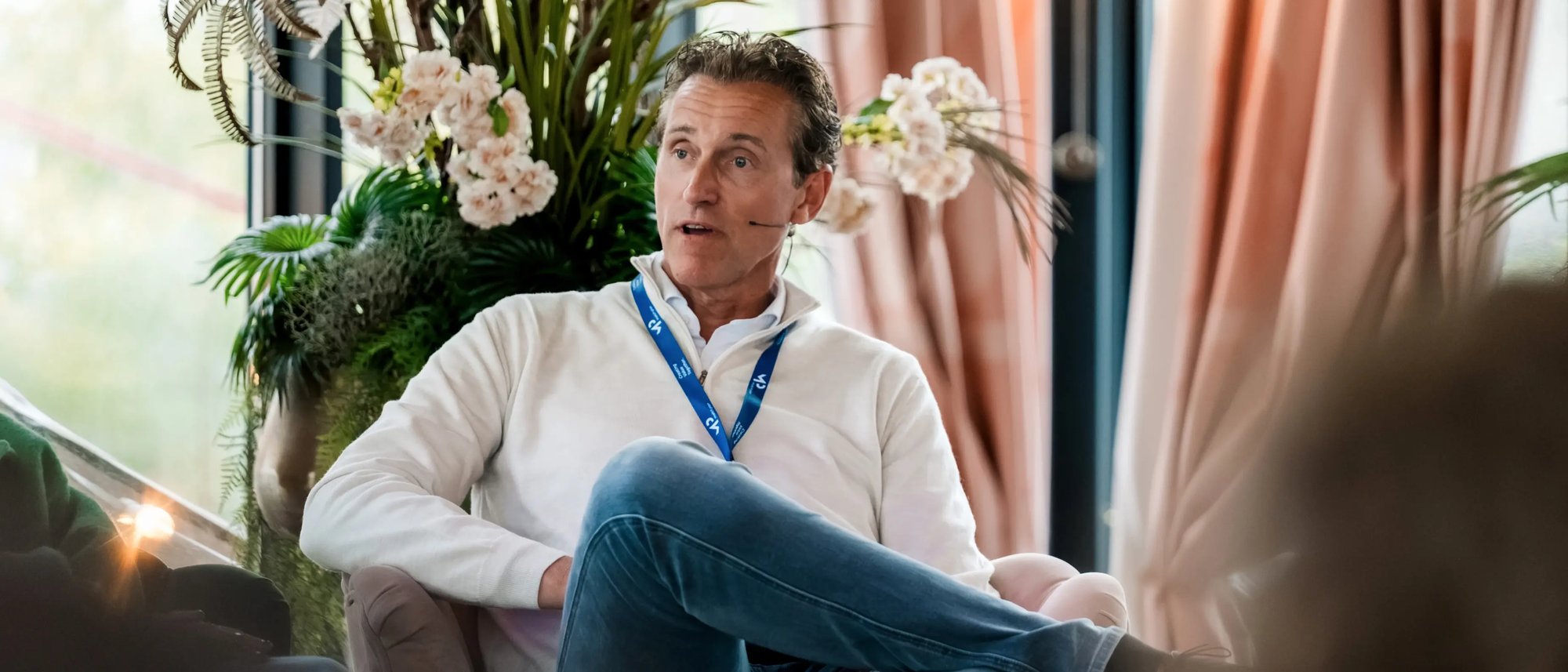
Meet Robert Kosse, Managing Director of Framna Netherlands
From the first generation of mobile apps to leading Framna Netherlands, Robert Kosse has spent most of his career working on digital products. His focus has stayed practical throughout: understand what people need, decide what belongs in the product and build it well.
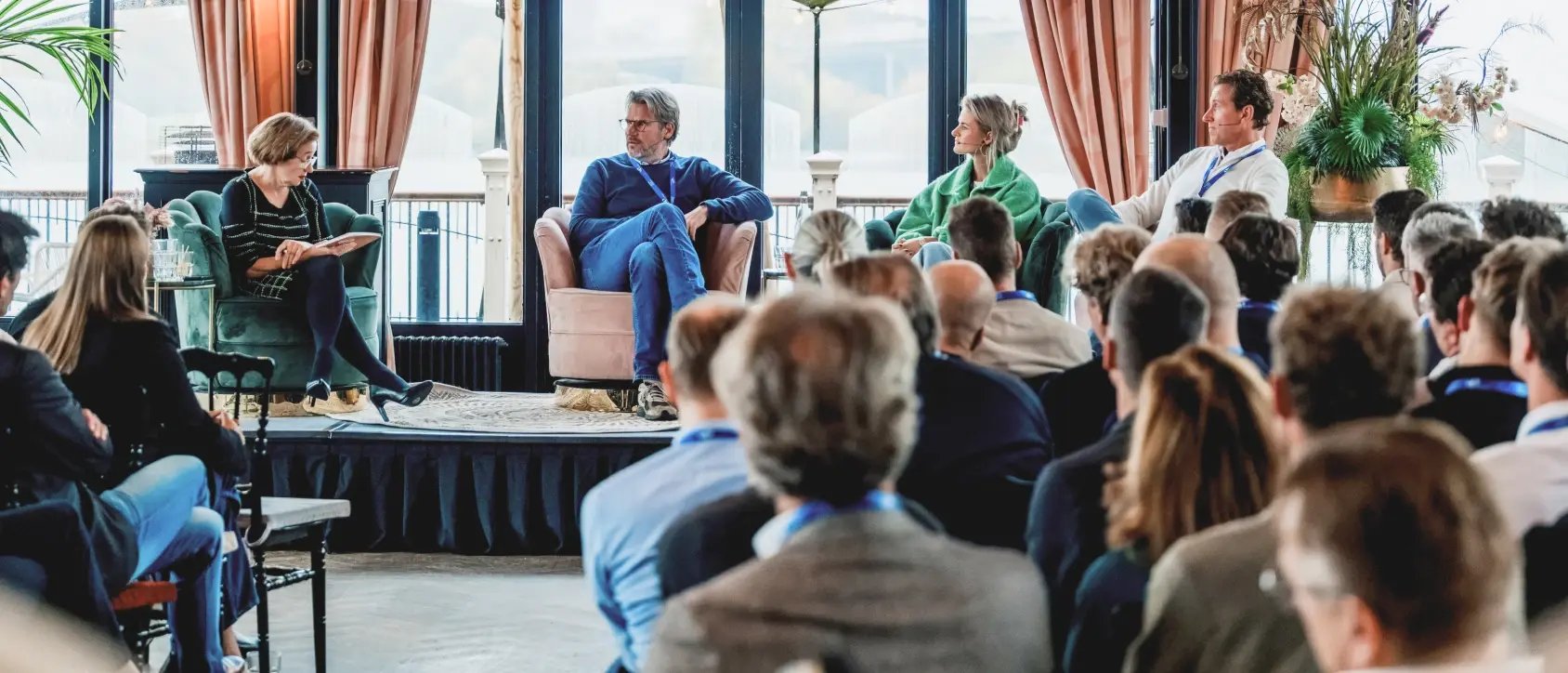
During DDA M&A Day 2026, Robert joined a panel of agency leaders to discuss consolidation, growth and the changing digital agency market. We spoke with Robert about the experiences that shaped his view on digital products, agencies and Framna.

Building apps since the early App Store
Robert first came into contact with mobile applications around 2005, when Nokia and BlackBerry still dominated the market. Mobile apps were relatively simple: email, calendars and early navigation tools.
A few years later, the arrival of the iPhone and the App Store changed what developers could build for mobile. Robert started working on apps around that time and contributed to some of the early apps for major Dutch brands, including news apps, the NS journey planner and Hyves.
What interested him most was what a phone could suddenly do in everyday situations.
Mobile data had until then been limited and most people used their phones mainly to call or send messages. Smartphones made digital services available wherever the user was. That opened up new possibilities, but it also raised a question that would become increasingly important in Robert's work: which parts of a service actually make sense on a phone?
In 2012, he co-founded a mobile agency, one of the companies that, through several mergers, later became Framna.
From putting services in apps to designing for mobile use
In the early App Store years, many companies wanted an app because apps were new.
The assumption was often simple: publish an app, reach a large audience and create a new revenue stream. In practice, the number of apps grew quickly and many struggled to attract regular use.
That forced companies to think more carefully about what their app was for.
Robert uses accounting software as an example. Few people want to manage their entire administration on a phone. Scanning a fuel receipt immediately after filling up the car, however, is exactly the kind of task that works well on mobile.
That way of thinking also changed how Robert approached digital product development. The goal became less about fitting an existing service into an app and more about choosing the moments where mobile could make a task easier.
That principle still guides his work: start with what the user needs to do, then decide what the product should support.
Staying close to Dutch clients while growing internationally
Framna today is a very different organization from the mobile agencies it grew out of.
During Dutch Digital Agencies’ M&A Day, he explained that the step towards an international organization grew from a clear ambition to expand beyond the Dutch market. The Dutch team was already working with international clients, including airports in the United States, and saw an opportunity to combine that experience with more scale, capacity and expertise.
For clients, Robert sees a practical benefit in that scale. Teams can draw on more domain expertise, more experience from other markets and more people who can explore new developments and apply them in client work.
At the same time, he wants Framna Netherlands to stay close to its clients, sometimes quite literally: teams who can drop by, sit at the same table and know the Dutch market from the inside.
That means keeping services locally available where clients need them and holding on to what he describes as a pragmatic, data-driven culture with a typically Dutch sense of directness. For Robert, international alignment works best when it improves the work. A shared tool or process earns its place by making teams more effective, not simply because it is used across the wider organization.
That balance matters to him: drawing on the expertise of the wider organization while keeping the way Dutch teams work with their partners.
“Everyone can use AI, but that does not automatically give you a secure, maintainable and high-quality product with complex system integrations or an intelligent product that adds value for the user.”
Robert Kosse
Managing Director, Framna Netherlands
What should a digital product agency add?
During the Dutch Digital Agencies panel, someone in the audience asked how agencies should position themselves in a market with more specialists, large-scale agency collectives and new technology providers.
Robert's answer focused on value.
Framna has chosen to work under one international brand, but that only works if partners understand what the people behind that brand add to their product.
For Robert, that means being able to build strong digital products in the domains Framna works in and making that expertise visible throughout the collaboration.
Clients are already asking different questions than they did only a few years ago. They want to know how teams can increase development speed and where AI can reduce manual work. They are also exploring new uses of data and AI, from planning driver schedules more efficiently to identifying operational problems sooner.
Robert sees those opportunities, but he also sees a risk in treating AI as an easy answer to complex problems.
The technology can help teams work faster or make better predictions. It does not remove the need to understand the problem, the data, the user and the systems around the product.
AI increases the importance of product expertise
AI is already changing the agency market, and Robert expects that shift to go much further.
As more people gain access to tools that can generate code, designs and content, using AI itself becomes less distinctive.
For Robert, the difference lies in what he calls a product mindset: understanding what makes a product a winning product and being able to assess whether the technology, design and user experience support that goal.
He compares it to building a presentation. AI can generate a slide deck in minutes. A strong presentation still depends on someone knowing what the audience needs to understand, how to structure the story and what to leave out.
He sees the same thing happening in digital product development.
Tools can speed up parts of the work. People still need to decide what to build, how it should work and whether the result is good enough to put in front of users.
That is also how Robert looks at AI within Framna. The company can use new technology to work faster, but speed only matters if the end product improves with it.
What Robert wants Framna to be known for
Robert describes his ambition for Framna with one word: Lighthouse.
By that, he means a company clients and others in the industry recognize for the quality of its digital product work. He wants Framna to be a clear choice for organizations that need a partner to build and improve important digital products.
For Robert, that reputation has to come from the work itself.
Technology will keep changing. The tools teams use to design and build products will change with it. Framna's role is to use those developments well while keeping the focus on the product: what it needs to do, who it needs to serve and what quality it needs to meet.
That is the standard Robert wants Framna Netherlands to be known for.
Subscribe
Join our newsletter and stay up-to-date